More True Confessions from a Maryland Anxiety Therapist: Perimenopause Edition
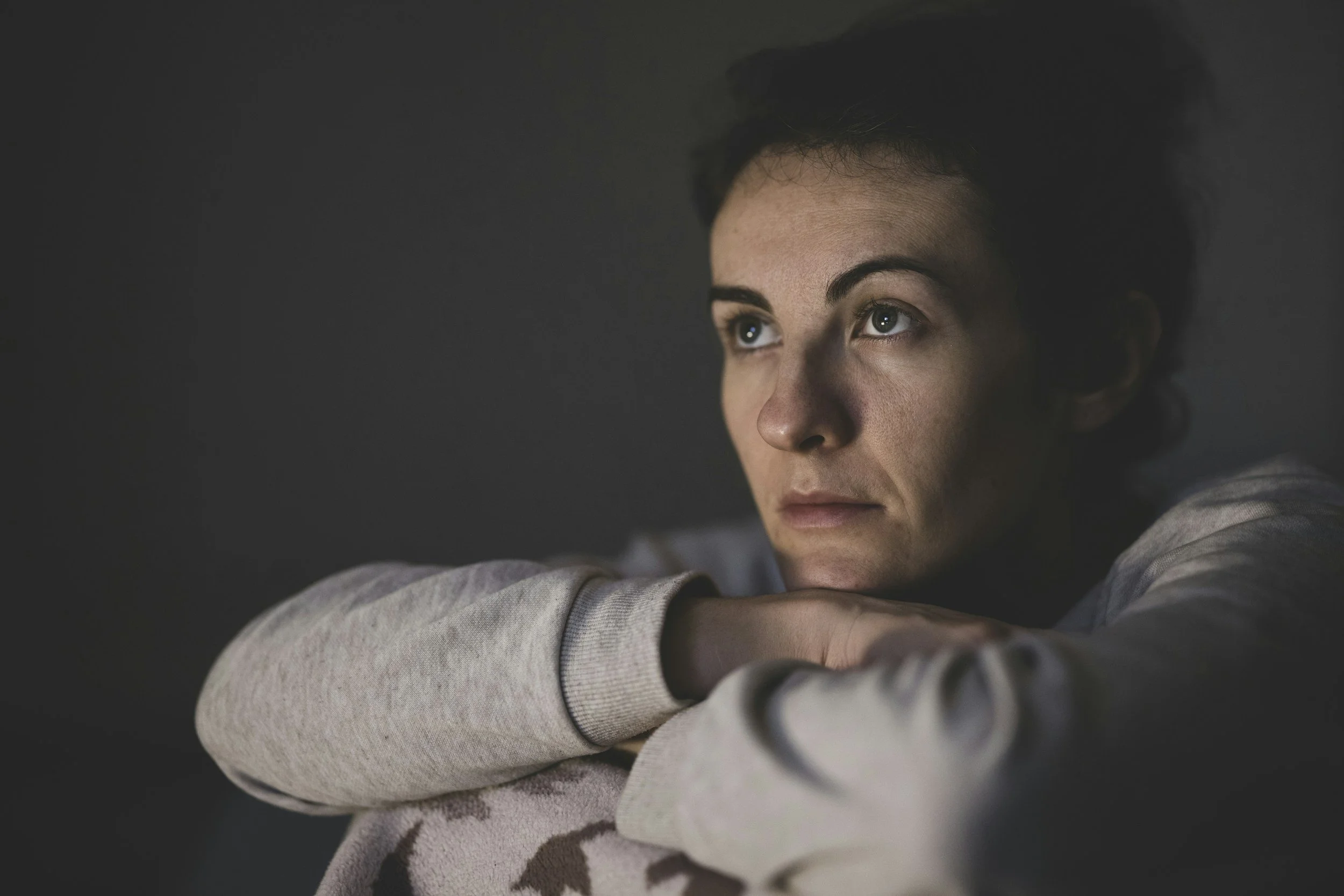
Perimenopause. Zero stars. Would not recommend.
You know how you can know about something but then when it happens to you, it’s still entirely mind blowing? Like the thrill of falling in love, or the bone-crushing exhaustion of new parenthood, or the gut punch of grief? Or, in my case, the upheaval of perimenopause.
Holy shit, y’all. I knew it was a lot. As an anxiety therapist in Maryland, I’ve seen many clients move through this transition. I’ve read extensively about it, done continuing education on it, talked with experts and friends, and on and on. But now I KNOW. The knowing that comes from a first-hand, completely immersive experience. Ever wish you could un-know something? I sure do.
Therapists are people too
It’s been a minute since we’ve had a True Confessions-style blog post (see earlier ones on the vulnerability of being seen and how even good transitions can be hard, and what happens when life derails you, if you want more from this series). Just like in those earlier posts of this series, so many of the things that our clients come to therapy for are things that we, as therapists, also experience (and can find challenging). Some of those things are because of similar conditions or life experiences, some just because we are all human. One would think that by having knowledge about these topics (navigating grief, managing difficult transitions, extracting ourselves from doom scrolling, dealing with emotionally charged conversations, etc), that we’d get to skip a few stops on the Struggle Bus of Life. Apparently, that isn’t part of the deal. There is no professional discount code, no Express Bus Route.
I can’t speak for other therapists, but for me, another tough part about all this is a sense of frustration not just about the situation itself (which, if I haven’t made clear by now, I’m not enjoying) but also with myself in, unfairly, expecting that this SHOULDN’T be so hard for me, based on my professional knowledge. Trust me, I’ve already got my Cognitive Behavioral Therapy (CBT) hat on and recognize how this “should”ing isn’t helpful. I know plenty of medical professionals who have their own struggles with their personal health habits, even with all their medical knowledge. I know lots of terrific managers that struggle mightily with organization in their home. Brilliant and patient teachers who get easily emotionally set off by power struggles with their own kids. Just knowing stuff doesn’t mean we get out of the human experiences of resistance, variable motivation, our own intense preferences and reactions. But, as you can see, I have to keep reminding myself of this, and coming back to all those self-compassion practices that I yammer on about with everyone.
So, if you have some part of you that thinks you “should” be better about something in life just because you know a lot about it, I hope you can give yourself a little reminder that you’re just a human too. This life stuff isn’t easy. We all deserve some kindness and patience as we stumble our way through some of the rougher patches.
Perimenopause. WTF?
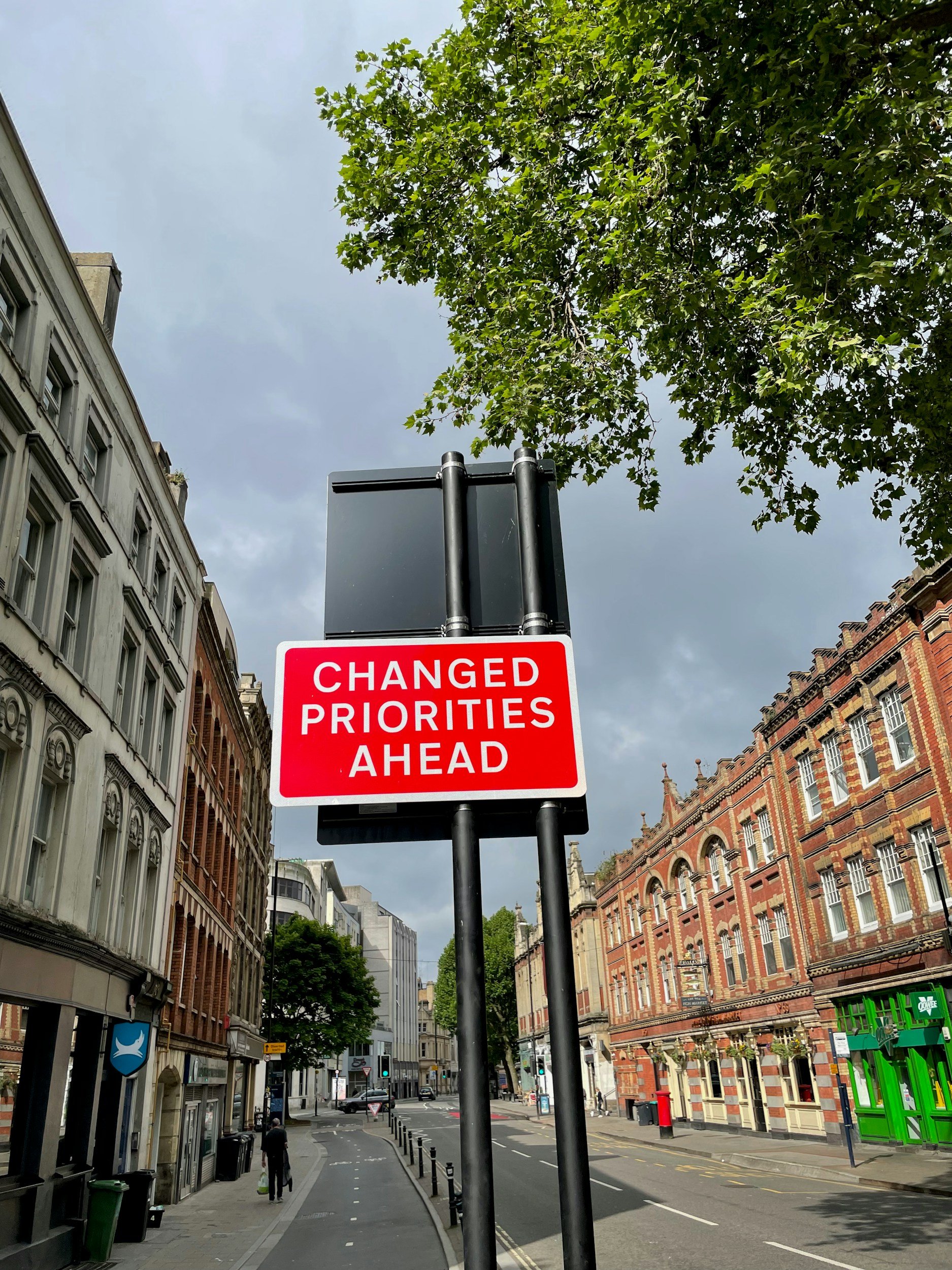
Honestly, a large sign might be helpful. At least in warning those around me.
Perimenopause, the outrageously long spell of transition before actual menopause (having gone 12 months without a period), is this haunted house experience in which you have no idea what in the world is going to jump out at you next (FROM INSIDE YOUR OWN BODY AND MIND) as it moves through this transition.
Just a sampling of things one might experience at some point:
Hair loss and/or thinning
Period madness (changes in frequency, flow, etc)
Hot flashes and/or night sweats
Mood swings
Anxiety
Heart palpitations/chest discomfort
Reflux
Weight changes
Urinary issues
Brain fog
Urinary issues
Vaginal dryness
Decreased libido
Sleep issues
Sounds like fun, no? No. And, let’s be real, this is just a list. Words on a page. I’ve known this list for years. But when you read “Mood swings”, that doesn’t properly convey the experience of the whoosh of blinding rage that sweeps through the body and mind, or depression that drops like a wet blanket over life out of seemingly nowhere. Reading “sleep issues” doesn’t hammer home the experience of being wide awake, in the middle of the night, for hours on end, night after night, for absolutely no understandable reason. “Night sweats”? Let’s not even discuss further.
With all of that chaos, I find it hard to determine if perimenopause is a time of being all out of fucks to give (because there is nothing left for that nonsense); or if it’s a time of giving all the fucks, maybe for the first time, (for ourselves because how the heck else are we going to get through this)?

Seriously, send help.
HElp!?!?!
If you, or (may the gods help you), someone you love, is going through perimenopause let’s talk about what might be helpful.
The Essentials
The Essentials with perimenopause looks a lot like The Essentials when dealing with depression, anxiety, and stress. They are they foundational best practices of living in a human body.
Nutrition—There are lots of paths towards good nutrition and you may need to figure out what works for your specific body (which keeps changing, dammit). But, pretty much everyone in perimenopause needs to be aware of getting enough fiber, enough protein, and enough nutrients that come from eating a wide variety of unprocessed foods. Keeping sugar in check can be helpful (or so I hear from people who know the science of these things but I’m not giving up my candy stash).
Hydration—Water. Plenty of it. So basic, so important. Important for the functioning of this whole organism of ours. Brain, body, skin, organs, the whole nine yards.
Movement—I did not say “exercise”. “Exercise” is one kind of movement. But all movement counts. I can tell you that my body hurt more after I tried gardening than after any trip to the gym. Anything that moves your body, builds muscle, helps with flexibility or balance and/or gets your heart rate going is GOOD. Find any movement that you like and do that. Walk a dog, tend a garden, play with young children, take a bike ride, stretch, punch a heavy bag to vent your rage. Just move and keep moving.
Sleep—I do know that I did just say in the above section that sleep problems are common in perimenopause. So, I am aware of the irony of stressing sleep here. That disclaimer out of the way, the truth is that sleep is vitally important for everything. For mood management, for our health, our attention, our brain functioning. There is no substitute for sleep and all it does for us. So, yeah, we gotta get decent sleep somehow. Do whatever you can to make this work as much as you can. Blackout curtains, noise machines, keep the room temp low, use cooling sheets, anything.
I know none of this is groundbreaking. And when we are feeling so out of whack, it can be hard to do these things well. But if it’s going to be effortful to get through this crazy time, put the effort you have into foundational behaviors that can help.
DOn’t go it alone
For many folks, perimenopause is one hell of a crazy train. Don’t ride it alone. Talk about it and get support, from professionals and/or peers. So much of life is HARD. Whether you are navigating parenthood, marriage, job loss, caregiving, heartbreak, chronic illness, or any other big stressful thing (like perimenopause), it’s invaluable to have at least one person in your life that you can be fully honest with about how brutal it is and how awful you feel, and that this person sees you and gets it. Even if they can’t make it be any different for you, there is some relief in just not feeling isolated, alone and crazy with it all by yourself.
Be honest with the people in your life who have earned your trust. Many of you are going to tell me that those people also have lots of stuff going on in their life too and you “don’t want to burden them”. I get it. Every adult I know has a lot going on in their life. And we can all be grown ups about it. I can express what’s real for me, without dumping it on anyone, and the other person can also speak up and let me know what they have the bandwidth for and what they don’t. Real relationships involve some give and take, which means letting people into the vulnerable times when you can use some support, just as much as when you are the one giving the support to others.
Ask people in your life for personal recommendations for any professionals that you may want to consult for support: a doctor, a nutritionist, a therapist, an acupuncturist. Talk to providers about what you need and make your care a priority in your life. Remember that this won’t go on forever and make friends with impermanence, as much as you can. We’ll get through this.
Educate yourself
Thankfully, perimenopause and menopause are talked about a whole lot more now than they were a generation ago. But real knowledge about what’s going on can be in short supply (even among medical professionals). And misinformation abounds. So, be your own advocate and educate yourself about what’s happening. Here are a few great books to check out at your local library or favorite independent bookstore:
The Menopause Manifesto by Dr. Jen Gunter
What Fresh Hell Is This? Perimenopause, Menopause, Other Indignities, and You by Heather Corrina
The New Menopause by Dr. Mary Claire Haver (she has a perimenopause book coming out spring 2026 that can’t get here fast enough)
To find a medical provider who has expertise in perimenopause and menopause, check out the provider director at The Menopause Society.
Team Up with a maryland Anxiety Therapist
Looking for some more support about growth and changes in midlife? I offer anxiety therapy appointments in-person, located in College Park, MD. Online therapy appointments are available anywhere in Maryland. Click here to schedule a free 15-minute phone consultation and get some more support on your side.
Other services I offer include hypnotherapy, mindfulness-based therapy, life coaching, and support for LGBTQIA+ clients. Additional information is available on my home page.
About the author, an anxiety Counselor:
Beth Charbonneau, LCSW-C, is a Maryland therapist, specializing in anxiety therapy and treatment. With over 20 years of experience, she brings a holistic approach to calming both the mind and the body, and helping her clients feel empowered to find more joy in their lives. Learn more about her counseling practice here.
